A theme park ticketing system does more than sell admission tickets. It connects ticket sales, visitor check-in, access control, and daily operations to help parks manage the entire guest entry process. Whether you operate a large amusement park, a family entertainment center, or a smaller attraction, choosing the right system can improve ticket management, reduce manual work, and create a smoother visitor experience. This guide explores how theme park ticketing systems work, which features matter most, and what to consider before choosing a solution.
What Is a Theme Park Ticketing System?
A theme park ticketing system is a software and hardware solution designed to manage ticket sales, admission, and visitor entry at amusement parks and entertainment venues.
It allows operators to manage different ticket types, process transactions, verify admission, and monitor ticket-related activities through a centralized platform.
Traditional ticketing operations often rely on manual sales, printed tickets, and staff checking admission at the entrance. These processes can become difficult to manage during weekends, holidays, and other peak periods.
A modern ticketing solution can connect several parts of the operation, including:
- Ticket Sales: Manage ticket purchases through supported online and on-site sales channels.
- Ticket Validation: Verify tickets using QR codes, barcodes, RFID credentials, or other supported methods.
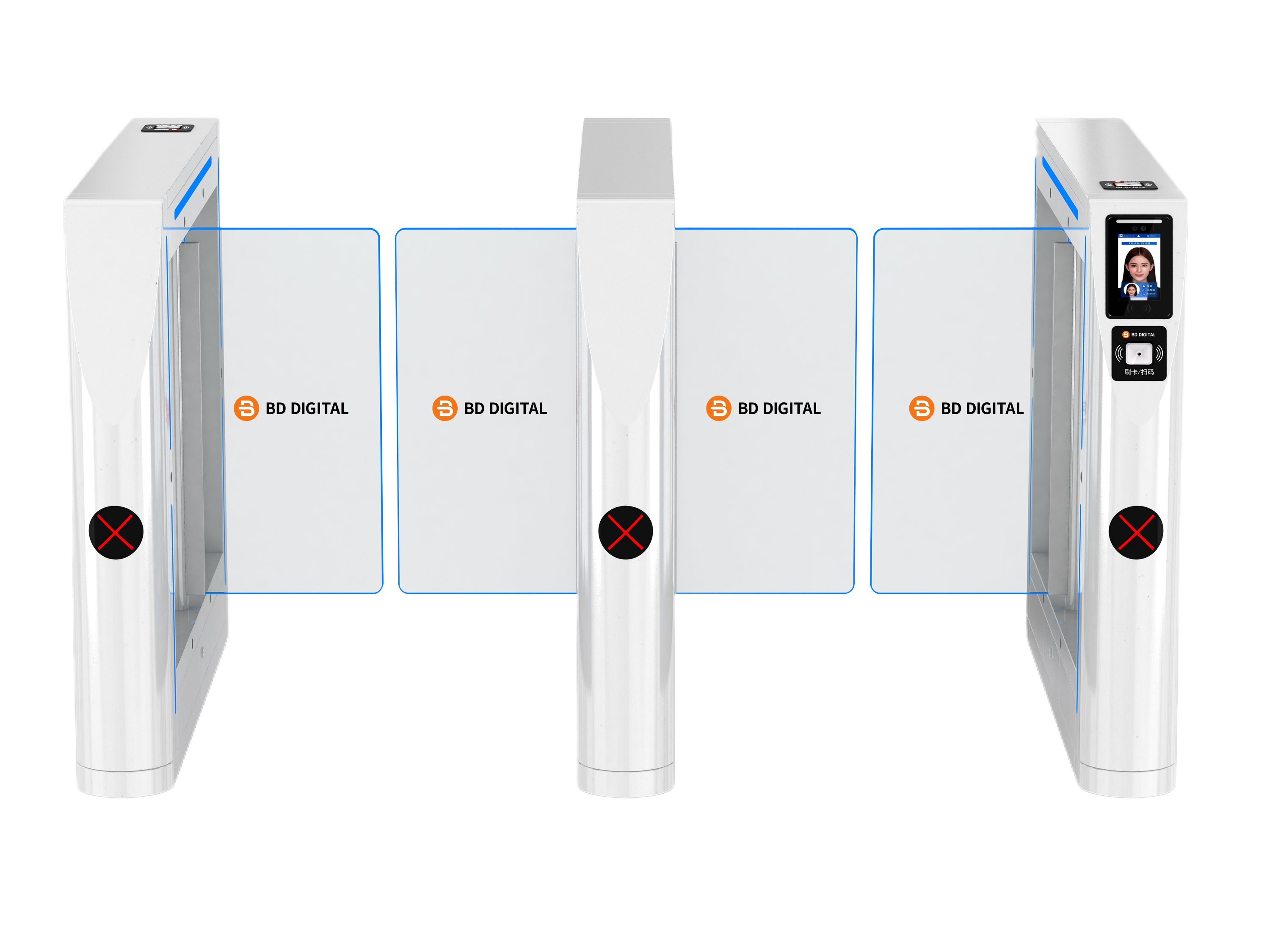
- Access Control: Connect ticket validation with entrance gates or access control devices.
- POS Integration: Coordinate ticket sales with point-of-sale terminals and payment processing.
- Self-Service Ticketing: Allow visitors to purchase or collect tickets through self-service kiosks, depending on the system configuration.
- Reporting: Review ticket transactions and sales information to support daily management.
The goal is to create a connected ticketing workflow rather than manage every transaction and admission process separately.
How Does a Theme Park Ticketing System Work?
A typical ticketing workflow includes several stages, from ticket purchase to visitor admission.
1. Ticket Purchase
Visitors purchase admission tickets through available sales channels. Depending on the solution, these may include an official website, ticket counter, authorized sales partners, or self-service kiosks.
The system records the transaction and generates a ticket or admission credential.
2. Ticket Issuance
After payment, visitors receive a ticket in a supported format. Common options include printed tickets, mobile QR codes, barcodes, and RFID cards or wristbands.
The ticket format depends on the park's equipment, admission workflow, and system configuration.
3. Ticket Validation
At the entrance, visitors present their tickets to staff or scan them using a compatible reader.
The system checks the ticket information and determines whether the ticket is valid for admission. Depending on the configuration, validation may include ticket type, validity period, or previous usage.
4. Entrance Access
Once a ticket is successfully validated, the visitor can enter through the designated access point.
A connected access control system or turnstile can automate this process, reducing the need for staff to check every ticket manually.
5. Transaction Records and Reporting
Ticket sales and validation records provide useful information for daily operations. Operators can review sales transactions, ticket usage, and other available reports to understand how the admission process is performing.
When these stages work together, theme park operators can manage ticket sales and visitor entry more consistently.
Essential Features of a Theme Park Ticketing System
Not every park needs the same ticketing functions. A small attraction may prioritize simple admission sales, while a large theme park may require more advanced booking, capacity, and access management.
However, several capabilities deserve attention when evaluating a system.
1. Flexible Ticket Management
A theme park may offer different admission products, such as:
- Single-day admission tickets
- Child and adult tickets
- Family packages
- Group and school tickets
- Seasonal passes
- Special event tickets
- Promotional and discounted tickets
The system should allow operators to configure the ticket products and pricing rules that match their business model.
It is also important to understand how ticket validity, expiration, redemption, and refunds are managed.
2. Online and On-Site Ticket Sales
Visitors may purchase tickets before arriving or directly at the park.
Online ticketing can help guests plan their visits in advance, while on-site sales remain important for walk-in visitors and customers who prefer purchasing at the entrance.
A connected sales workflow helps operators manage transactions across supported channels and reduce manual reconciliation.
When evaluating a platform, check whether online bookings, ticket counters, and other sales channels share the same ticket inventory and transaction records.
3. Ticket Validation and Access Control
Ticket validation is one of the most important parts of the admission process.
A system may support QR code scanners, barcode readers, RFID credentials, or other compatible validation devices.
For parks with automated entrances, ticketing software can connect with access control gates and turnstiles. After a valid ticket is recognized, the gate can grant access according to the configured rules.
Before purchasing, confirm that the ticketing software and access control hardware are compatible and that the admission workflow can support your entrance layout.
4. Self-Service Ticketing Kiosks
Self-service kiosks allow visitors to complete supported ticketing transactions without always relying on a staffed counter.
Depending on the configuration, kiosks may support ticket purchases, payment processing, ticket printing, or ticket collection.
They can be particularly useful at busy entrances where visitors need additional purchasing options.
When choosing a kiosk, consider its payment compatibility, user interface, ticket output format, language options, and connection with the main ticketing platform.
5. POS and Payment Integration
Ticket sales are only one part of a theme park's commercial operation.
Many venues also operate food and beverage outlets, merchandise stores, game areas, and other paid attractions.
Connecting ticketing with POS and payment systems can help operators coordinate transactions and review sales information across different service points.
However, integration capabilities vary between providers. Confirm which POS functions, payment methods, and transaction workflows are supported before making a decision.
6. Reporting and Operational Management
Ticketing data can help operators understand daily business performance.
Useful reporting capabilities may include:
- Ticket sales by product type
- Transaction records
- Admission and validation records
- Sales by date or period
- Performance across different sales channels
- Refund and cancellation records, where supported
Clear reporting reduces reliance on manual spreadsheets and gives management a more consistent view of ticketing operations.
Online Ticketing vs. On-Site Ticketing
Both online and on-site ticket sales play important roles in theme park operations.
ComparisonOnline TicketingOn-Site TicketingPurchase locationWebsite or supported online channelTicket counter or kioskCustomer timingBefore arrivalAt the venueMain advantageConvenient advance purchasingSupports walk-in visitorsTicket formatOften mobile or printablePrinted ticket or supported digital credentialOperational focusOnline booking and transaction managementCounter efficiency and visitor service
For many parks, the best approach is not choosing one over the other. It is building a connected ticketing process that supports both advance purchases and on-site admission.
Operators should also check whether the system supports shared inventory, consistent ticket rules, and centralized transaction records across their sales channels.
Why Integrate Ticketing with Access Control and Other Systems?
A standalone ticketing platform may be sufficient for a small attraction with a simple admission process. However, as a park grows, separate systems can create additional work for staff.
For example, ticket sales may be managed in one platform while entrance validation is handled by another. If the two systems do not communicate properly, staff may need to check records manually or reconcile transactions across different tools.
An integrated setup can connect:
- Ticketing Software: Manages ticket products, sales, and admission records.
- Access Control Gates: Controls visitor entry after successful ticket validation.
- Self-Service Kiosks: Supports selected ticket purchasing and collection workflows.
- POS Systems: Handles ticket-related and other on-site transactions.
- Management Software: Brings supported operational and sales information together.
The exact integration possibilities depend on the software, hardware interfaces, and vendor capabilities.
Before choosing a solution, ask providers to demonstrate how the complete workflow operates, rather than evaluating each component independently.
Benefits of a Modern Theme Park Ticketing System
A properly configured ticketing solution can improve several areas of park operations.
1. Smoother Visitor Entry
Digital ticket validation and compatible access control equipment can reduce repetitive manual checks and help visitors move through entrances more efficiently.
2. More Flexible Ticket Sales
Supporting multiple sales channels gives visitors more ways to purchase admission and gives operators greater flexibility in managing their ticketing business.
3. Reduced Manual Work
Centralized ticket records and connected devices can reduce repetitive administrative tasks, especially when sales and admission processes are integrated.
4. Better Transaction Visibility
Organized sales and validation records help management review ticketing activity and identify operational issues.
5. More Consistent Operations
When ticketing, access control, and other connected systems follow a coordinated workflow, staff can manage visitor admission with fewer disconnected processes.
How to Choose the Right Theme Park Ticketing System
Selecting a ticketing solution requires more than comparing feature lists. The system should match the park's size, admission process, equipment, and future plans.
Consider the following factors before making a decision.
1. Understand Your Ticketing Requirements
Start by reviewing your existing ticket products, sales channels, visitor flow, and entrance procedures.
Determine whether you need simple admission management, advance online bookings, group ticketing, seasonal passes, or more complex ticket validation.
2. Check Hardware Compatibility
If your park already uses ticket scanners, printers, turnstiles, or self-service kiosks, confirm whether the new software can work with the existing equipment.
Do not assume that devices are compatible simply because they use similar ticket formats. Check communication interfaces, integration requirements, and supported hardware models.
3. Evaluate Integration Capabilities
Consider whether the system can connect with POS terminals, payment solutions, access control devices, and other operational platforms.
Ask the provider to explain which integrations are available as standard, which require additional development, and which depend on third-party services.
4. Consider Ease of Use
Ticketing systems are used by front-desk staff, entrance teams, and management.
A clear interface and straightforward workflows can reduce training requirements and make daily operations easier to manage.
5. Review Reporting and Support
Check what information the system can provide and whether reports match your management requirements.
You should also understand the provider's installation process, technical support arrangements, software updates, and maintenance responsibilities.
6. Plan for Future Growth
Your ticketing requirements may change as the park expands, adds new attractions, or introduces additional sales channels.
Choose a solution that can accommodate your expected operational development without requiring an entirely new system for every expansion.
Common Mistakes When Choosing a Ticketing System
Several mistakes can create unnecessary costs and operational problems.
- Choosing based only on price: A low initial price does not necessarily mean lower long-term operating costs.
- Ignoring hardware compatibility: Existing scanners, gates, and printers may require additional integration work.
- Focusing only on ticket sales: Admission validation and entrance management are equally important.
- Overlooking staff workflows: A system that looks powerful on paper may be difficult to use during busy periods.
- Not testing the complete process: Always test ticket purchase, issuance, validation, and entrance access before deployment.
A practical evaluation should include a demonstration using workflows that reflect your actual park operations.
Conclusion
A theme park ticketing system plays an important role in managing admission, visitor flow, and daily transactions. The right solution should connect ticket sales with ticket validation, access control, and other operational systems according to the park's requirements.
For operators evaluating a new system or upgrading an existing setup, the most important step is to look beyond ticket sales and assess the complete visitor admission workflow. By checking software capabilities, hardware compatibility, integration options, and future scalability, parks can choose a ticketing solution that supports more efficient operations and a better guest experience.
Frequently Asked Questions
What is a theme park ticketing system?
A theme park ticketing system is a software and hardware solution used to manage ticket sales, ticket issuance, admission validation, and visitor entry. It may also connect with access control gates, POS terminals, and self-service kiosks.
What features should a theme park ticketing system have?
Important features may include ticket product management, online and on-site sales, ticket validation, access control integration, POS connectivity, self-service ticketing, and sales reporting. The required functions depend on the park's size and operational model.
Can a ticketing system connect to turnstiles?
Yes. Many ticketing solutions can integrate with compatible access control gates or turnstiles. Visitors scan a valid ticket or credential, and the connected gate grants entry according to the configured rules. Compatibility should be confirmed with the software and hardware providers.
Can theme parks use QR codes and RFID tickets?
Yes. QR codes and RFID cards or wristbands are common options for digital admission and visitor identification. The appropriate format depends on the ticketing platform, scanning equipment, and access control setup.
What is the difference between ticketing software and access control?
Ticketing software manages ticket products, sales, and admission records. Access control manages the physical entry process by validating credentials and controlling gates or turnstiles. The two systems can work together through a supported integration.
How much does a theme park ticketing system cost?
Pricing varies depending on the number of users, ticketing functions, hardware requirements, integrations, installation, and ongoing support. Some providers charge subscription fees, transaction fees, or customized project costs. Request a quotation based on your park's actual requirements rather than comparing software prices alone.