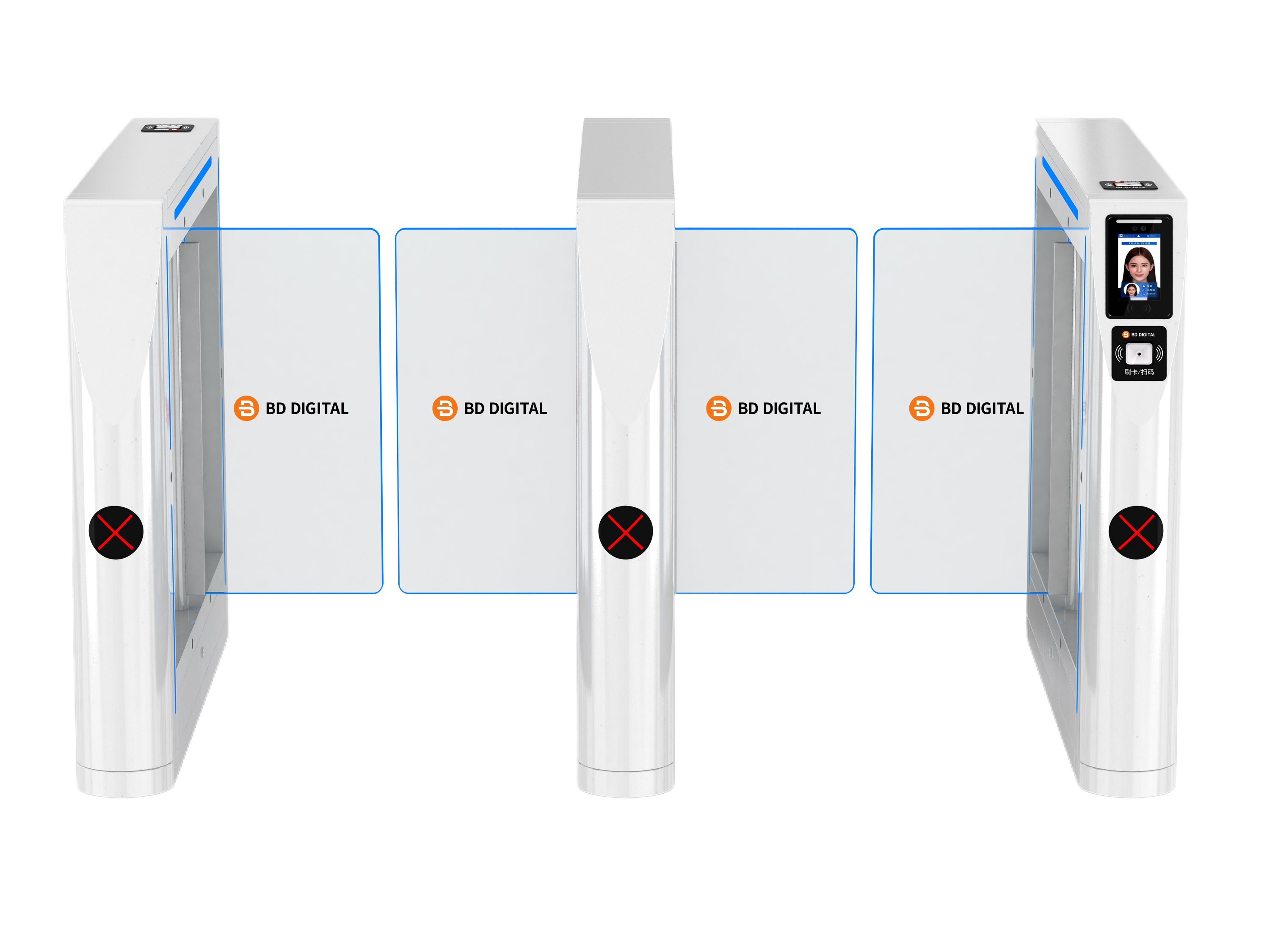
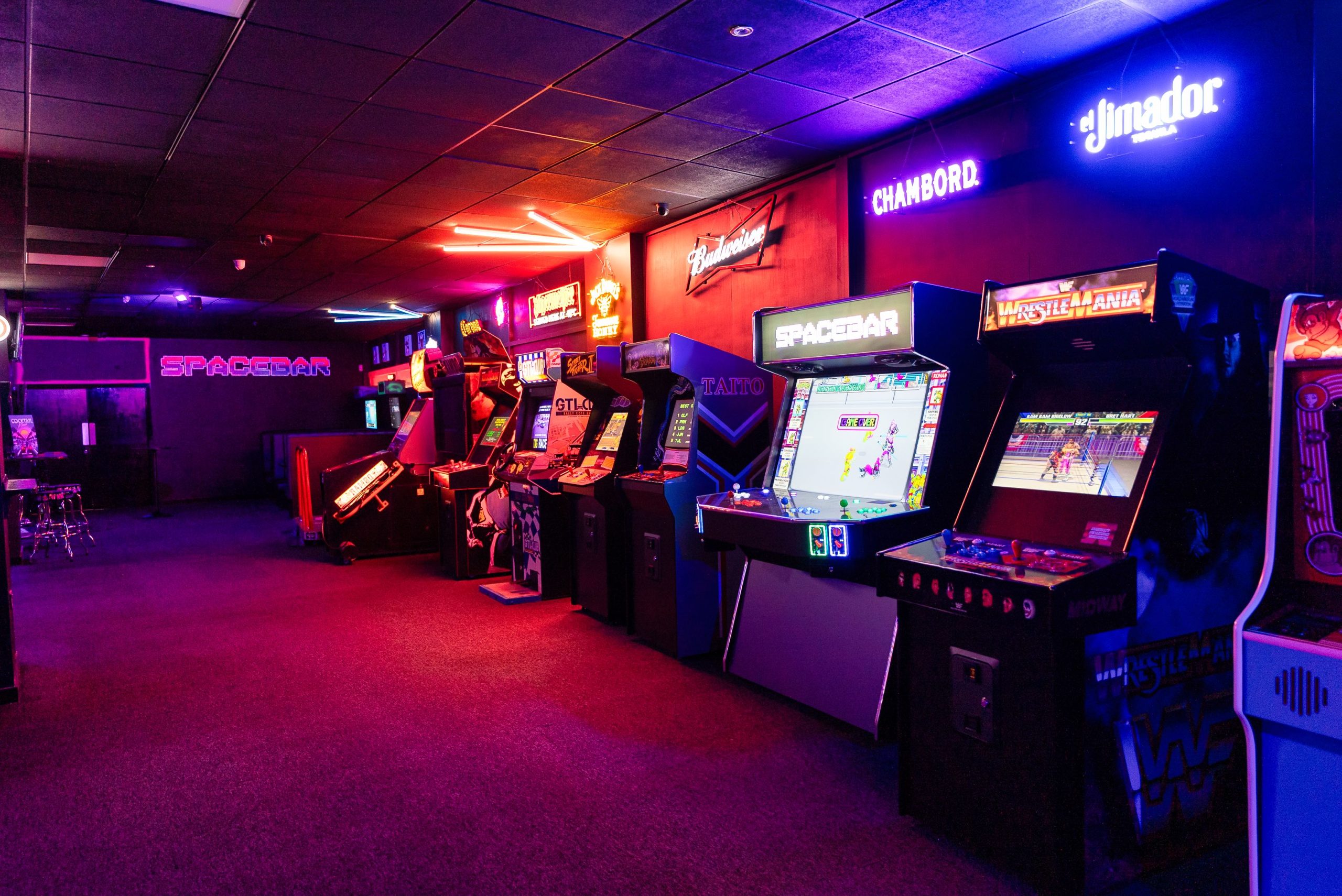
A membership card system helps entertainment venues identify customers, manage membership accounts, and provide a more connected experience across different services. For arcades and family entertainment centers (FECs), membership cards can do more than identify regular visitors. When integrated with payment and venue management software, they can support stored-value accounts, cashless gameplay, loyalty rewards, and customer activity tracking. This guide explains how a membership card system works, its essential features, and what arcade and FEC operators should consider when choosing one.
What Is a Membership Card System?
A membership card system is a combination of physical or digital membership credentials and software used to identify members, manage their accounts, and provide access to membership-related services.
In a traditional membership program, a card may simply display a member's name, number, or membership expiration date. A digital membership card system can connect that credential to a centralized database, allowing businesses to manage customer profiles, membership status, balances, and benefits.
For arcades and family entertainment centers, the system can have a broader role.
Depending on the configuration, a membership card may be used to:
- Identify registered members.
- Store prepaid value or game credits.
- Access member discounts and promotions.
- Accumulate loyalty points.
- Support cashless payments at compatible game machines.
- Connect customer accounts with POS terminals and self-service kiosks.
- Record selected transaction and gameplay activities.
This makes a membership card system particularly useful for venues that want to connect customer identification with payment and membership management.
How Does a Membership Card System Work?
A typical membership card system involves three main components: the membership credential, card readers, and management software.
1. Member Registration
Customers register at the venue or through a supported digital channel. The business creates a membership profile containing relevant information, such as a member ID, contact details, membership category, and account status.
The venue can then issue a physical card or another supported credential linked to the member's account.
2. Membership Card Issuance
The card is assigned a unique identifier that allows the system to recognize the member.
Depending on the technology, membership credentials may include:
- RFID membership cards
- NFC-enabled cards
- Magnetic stripe cards
- Barcode or QR code cards
- Digital membership credentials
The correct format depends on the readers, software, security requirements, and intended applications.
3. Card Recognition and Account Access
When a member presents a card to a compatible reader, the device reads its identifier and communicates with the connected system.
The software retrieves the associated membership account and applies the relevant rules.
For example, the system may identify the member, check membership status, retrieve an available balance, or recognize an eligible discount.
4. Transactions and Membership Activity
If the system supports payment or stored-value functions, the member may use the card for selected transactions.
In an arcade, this could include tapping an RFID card on a compatible game card reader to activate a game and deduct the required credits.
Membership-related transactions and activities can also be recorded for reporting and account management, depending on the system's capabilities.
Essential Features of a Membership Card System
Not every business needs the same membership functions. A gym, retail loyalty program, and family entertainment center may have very different requirements.
For arcades and FECs, the following features deserve particular attention.
1. Member Profile Management
A centralized member database helps operators organize customer information and membership records.
Useful capabilities may include:
- Member registration and account creation
- Unique membership IDs
- Contact information management
- Membership status and validity
- Account history
- Member search and record updates
Organized member profiles make it easier for staff to identify customers and handle routine membership services.
2. RFID and NFC Membership Cards
RFID and NFC technologies allow compatible cards or credentials to be recognized through electronic readers.
In an arcade environment, RFID cards are commonly used for tap-to-play experiences. Members can use their cards at compatible readers instead of inserting coins or carrying tokens.
However, RFID and NFC are not interchangeable labels for every card system. Operators should confirm the supported card standards, reader technology, and communication protocols with the supplier before purchasing cards or equipment.
3. Stored Value and Recharge Management
Some membership card systems support prepaid balances or stored-value accounts.
Members can add value to their accounts through supported POS terminals, service counters, or self-service kiosks.
In an arcade, stored value can be used for game credits or other configured services. The system should clearly define how balances are added, deducted, checked, and adjusted.
Operators should also understand how refunds, lost cards, card replacement, and account transfers are handled.
4. Membership Tiers and Benefits
A membership program can offer different benefits to customers based on their membership level.
For example, a venue may create:
- Standard membership
- Silver membership
- Gold membership
- VIP membership
- Family membership
Depending on the software, different tiers may receive different discounts, promotional offers, recharge bonuses, or other privileges.
The important point is that membership rules should be configurable and easy for staff to understand.
5. Loyalty Points and Rewards
A loyalty program encourages customers to return by rewarding eligible purchases or activities.
A membership card system may support points accumulation, reward redemption, coupons, and promotional campaigns.
For example, an FEC could offer bonus points for qualifying purchases or provide selected rewards after a member reaches a defined spending or activity threshold.
Operators should check whether the software supports configurable earning rules, expiration policies, redemption conditions, and transaction records.
6. POS and Cashless Payment Integration
For entertainment venues, membership management becomes more useful when connected with the payment environment.
An integrated setup may connect membership accounts with POS terminals, arcade card readers, and self-service kiosks.
This allows supported membership credentials to be recognized across different customer touchpoints.
For example, a member may recharge an account at the front desk and then use a compatible card reader to access games.
The exact functions depend on the software and hardware configuration, so operators should confirm which transactions and devices are supported.
7. Membership Reports and Customer Data
Membership records can help operators understand customer activity and evaluate their membership programs.
Depending on the system, reports may include:
- Total registered members
- New membership registrations
- Membership renewals
- Stored-value transactions
- Recharge history
- Loyalty point activity
- Member transaction records
These insights can help management evaluate promotions, review membership performance, and make more informed operational decisions.
Benefits of a Membership Card System for Arcades and FECs
A well-designed membership program can support both customer experience and venue operations.
1. Encourage Repeat Visits
Membership programs give customers a reason to return.
Points, member discounts, recharge bonuses, and exclusive promotions can encourage repeat participation when the benefits are relevant to the target audience.
2. Improve Customer Convenience
A reusable membership card can simplify customer identification and selected payment processes.
In venues with compatible cashless systems, customers can use one credential for multiple supported activities rather than managing separate payment methods.
3. Reduce Manual Membership Administration
Centralized membership records help staff manage registration, account updates, balances, and membership status more consistently.
This can reduce reliance on paper records and disconnected spreadsheets.
4. Support More Flexible Promotions
Membership tiers and loyalty rules allow operators to create different offers for different customer groups.
For example, family memberships, VIP discounts, and recharge promotions can be configured according to the venue's business strategy and supported system functions.
5. Improve Visibility into Customer Activity
Membership and transaction records can help operators understand how customers use the venue.
When the system provides appropriate reporting, management can review member activity and identify opportunities to improve the customer experience.
Membership Card System vs. Loyalty Program
These two concepts are related, but they are not the same.
ComparisonMembership Card SystemLoyalty ProgramMain purposeIdentify and manage membersEncourage repeat purchases and visitsCore functionMember accounts and credentialsRewards, points, and promotionsCustomer identificationCard or digital credentialMay use membership ID, account, or appStored valueMay be supportedNot essentialRewardsMay connect to rewardsCentral to the programRelationshipProvides infrastructure for membershipUses customer relationships to encourage loyalty
A membership card system can provide the technical foundation for a loyalty program, but issuing membership cards alone does not automatically create customer loyalty.
The benefits, reward rules, customer experience, and ongoing communication all matter.
How to Choose the Right Membership Card System
Before investing in a new system, arcade and FEC operators should evaluate several factors.
1. Define Your Membership Model
Start by deciding what you want the membership program to achieve.
Do you need basic member identification, prepaid accounts, VIP tiers, loyalty points, or a combination of these functions?
Clear requirements will make it easier to compare suppliers.
2. Check Card and Reader Compatibility
Confirm which card technologies the system supports, including RFID, NFC, magnetic stripe, barcode, or QR code credentials.
If you already have card readers or other equipment, ask the supplier to verify compatibility rather than assuming that similar-looking cards will work.
3. Evaluate Software Integration
Check whether the membership platform can connect with your existing POS, arcade card readers, self-service kiosks, payment systems, and management software.
A connected system can simplify operations, but the exact integration scope should be confirmed before purchase.
4. Review Membership Rules and Flexibility
Make sure the system can support your intended membership structure.
Consider member categories, discounts, points, promotions, validity periods, account balances, and renewal procedures.
5. Understand Reporting Capabilities
Ask what membership and transaction reports are available.
The system should provide information that helps your team manage members and evaluate the performance of your membership program.
6. Consider Scalability and Technical Support
Your requirements may change as your venue grows or adds new locations and services.
Review the provider's system architecture, expansion options, installation process, software updates, and technical support arrangements.
Common Mistakes When Choosing a Membership Card System
- Focusing only on card printing: A membership card is only the customer credential. The software and account management functions are equally important.
- Ignoring reader compatibility: Card standards and reader protocols must match.
- Confusing membership with loyalty: A member database does not automatically provide a complete loyalty strategy.
- Overlooking payment integration: For arcades, it is important to understand whether membership cards can connect with game readers and supported payment workflows.
- Choosing without testing: Ask the supplier to demonstrate registration, card issuance, account recognition, transactions, and reporting.
Conclusion
A membership card system can help arcades and family entertainment centers connect customer identification, membership accounts, cashless transactions, and loyalty programs.
The right solution should match the venue's business model and work with its existing hardware and software environment. Rather than choosing a system based only on the appearance or price of membership cards, operators should evaluate card technology, account management, payment integration, loyalty functions, reporting, and future scalability.
For entertainment venues looking to build a more connected customer experience, an integrated membership card system can provide a practical foundation for managing member relationships and supporting repeat visits.
Frequently Asked Questions
What is a membership card system?
A membership card system combines membership credentials, card readers, and software to identify customers and manage their membership accounts, status, and benefits.
How does an RFID membership card work?
An RFID membership card contains a chip and antenna that communicate with a compatible reader through radio frequency. The reader identifies the card, and the connected software retrieves the associated account information.
Can a membership card also be used for cashless payments?
Yes, if the membership platform supports stored-value or payment functions and is integrated with compatible POS terminals, card readers, or other payment devices. Not every membership card system includes these capabilities.
What is the difference between a membership card and a loyalty card?
A membership card primarily identifies a customer and links them to an account or membership status. A loyalty card focuses on rewarding customer activity through points, discounts, or promotional benefits. A single card can support both functions when the system is configured accordingly.
Can membership cards be used in arcades and FECs?
Yes. In compatible entertainment systems, membership cards can support member identification, prepaid game credits, cashless gameplay, and selected loyalty benefits. The available functions depend on the connected software and hardware.
What technology is used in membership cards?
Common technologies include RFID, NFC, magnetic stripe, barcode, and QR code. The appropriate option depends on the intended use, reader compatibility, security requirements, and system configuration.