Arcade operators are increasingly moving from traditional coins and tokens to card-based gameplay. At the center of this transition is the arcade card reader, a device that allows players to activate games using prepaid cards or RFID wristbands.
For venue owners, choosing the right reader involves more than finding a device that can recognize a card. Compatibility with arcade machines, reliable communication, credit management, and integration with management software all play an important role.
Whether you are opening a new arcade or upgrading an existing venue, understanding how these devices work can help you build a more efficient payment system and improve the player experience.
What Is an Arcade Card Reader?
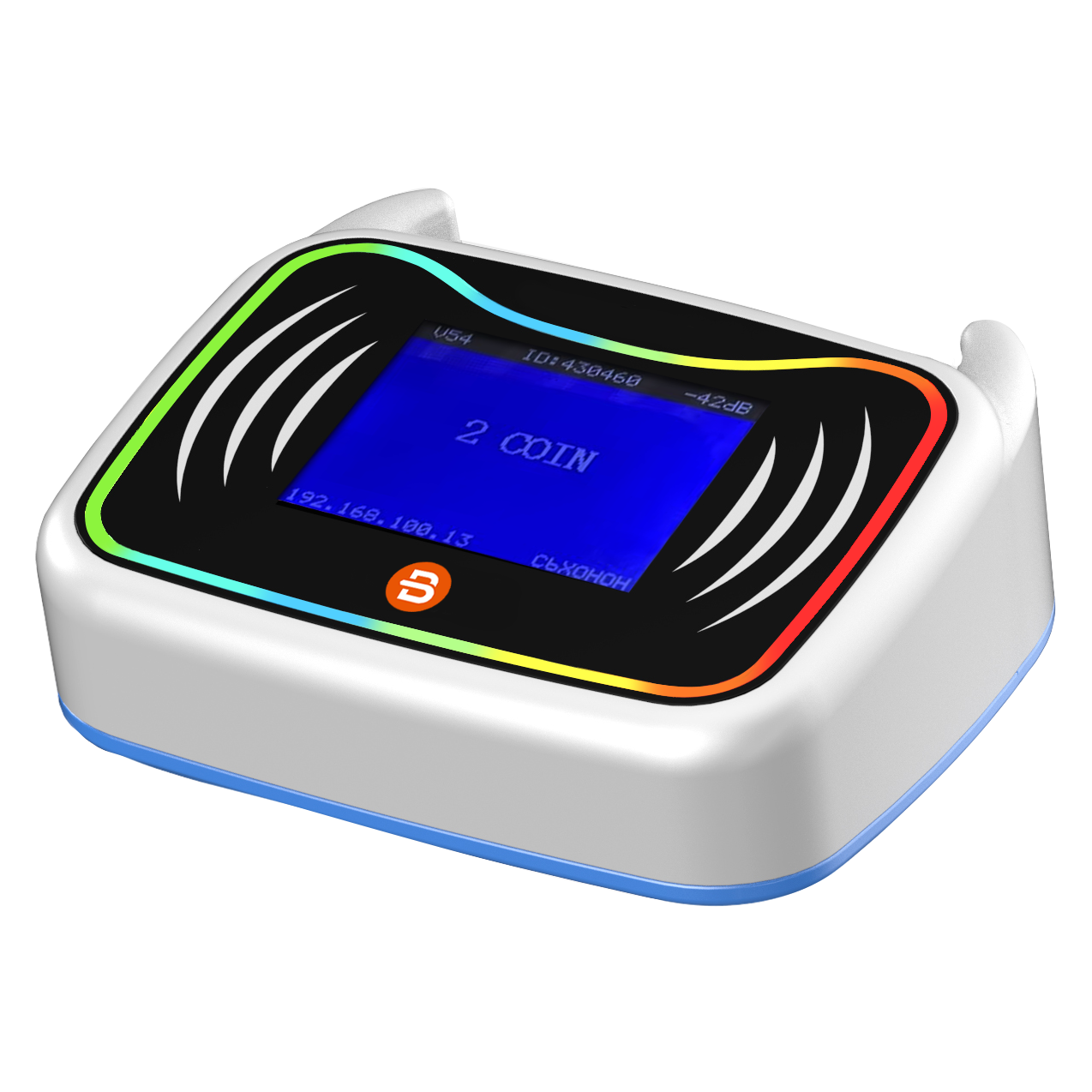
An arcade card reader is a hardware device installed on or connected to an arcade game machine. It allows players to activate games by tapping a compatible card or wristband instead of inserting coins or tokens.
Most modern systems use RFID (Radio Frequency Identification) technology to identify cards and communicate with the central management system. When a player taps a card, the reader verifies the account and checks whether sufficient game credits are available.
If the transaction is approved, the reader sends a signal to the arcade machine to start the game and deducts the corresponding credits from the player's balance.
An arcade card reader is typically part of a larger cashless arcade system, which may also include:
- RFID game cards and wristbands
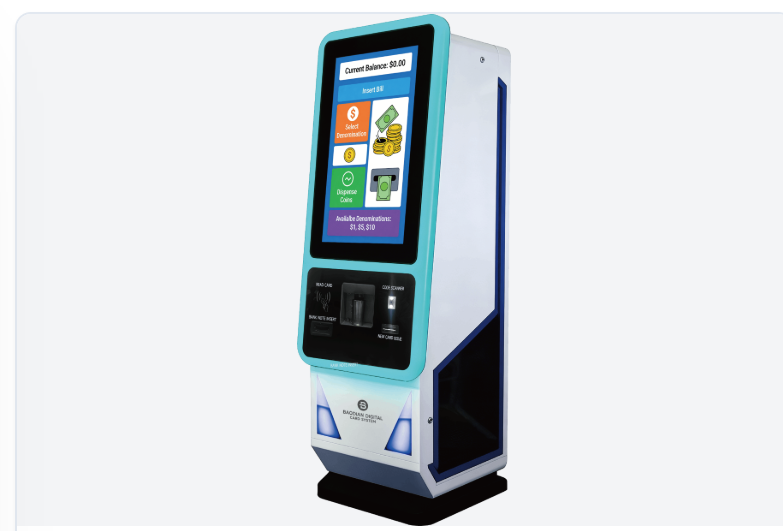
- POS terminals for credit purchases and recharges
- Self-service kiosks
- Arcade management software
- Digital ticket and prize redemption systems
Together, these components create a connected payment and management environment for modern entertainment venues.
How Does an Arcade Card Reader Work?
An arcade card reader connects the player's card, the game machine, and the venue's payment system. Although specific configurations vary by manufacturer, the general process follows several steps.
1. Card Activation and Credit Purchase
Players purchase or recharge game credits at a POS terminal or self-service kiosk. The credits are assigned to their game card or player account.
2. Card Identification
When a player taps an RFID card or wristband against the reader, the device identifies the card and communicates with the relevant system to retrieve account information.
3. Credit Verification
The system checks the available balance and determines whether the player has enough credits to activate the selected game.
4. Game Activation
Once the transaction is approved, the reader sends an activation signal to the machine, allowing gameplay to begin.
5. Transaction Recording
The system records the transaction, updates the player's balance, and makes relevant gameplay data available to the management platform.
This process makes arcade payments faster and reduces the need for physical coins, tokens, and manual transaction handling.
Key Benefits of Using an Arcade Card Reader
1. Faster and More Convenient Gameplay
Players no longer need to search for coins or purchase individual tokens before playing. A simple tap allows them to start a game using their available credits.
For busy arcades and Family Entertainment Centers (FECs), this can create a smoother customer experience and reduce interruptions between games.
2. Reduce Manual Payment Handling
Traditional coin-operated machines require operators to collect, count, and manage physical coins or tokens.
An arcade card reader replaces many of these manual processes with digital transactions. This can reduce cash-handling tasks, simplify daily operations, and make payment management more consistent.
3. Support Flexible Pricing and Promotions
A connected card system can give operators more flexibility in managing game credits and pricing.
Depending on the system's capabilities, operators may offer different credit packages, promotional bonuses, or customized game prices.
For example, customers purchasing larger credit packages may receive additional promotional credits, encouraging repeat visits and higher spending.
4. Improve Operational Visibility
When connected to arcade management software, card readers can provide transaction and gameplay information across supported machines.
Operators can review machine activity, monitor credit consumption, and analyze performance through centralized reports.
This information can help identify popular games, understand customer activity, and make better decisions about machine placement and business operations.
5. Support Membership and Customer Loyalty
An arcade card can serve as more than a payment method. When connected to a membership system, it can also act as a customer identification tool.
Depending on the platform, operators can manage customer accounts, track spending activity, and create membership benefits or loyalty programs.
This helps entertainment venues build stronger relationships with returning customers.
Types of Arcade Card Readers
Different entertainment venues may require different reader configurations depending on their machines, payment methods, and operational needs.
RFID Arcade Card Readers
RFID readers identify compatible contactless cards or wristbands through radio frequency communication.
Players simply tap their cards to activate supported games. This is one of the most common approaches used in modern cashless arcade environments.
Touchscreen Card Readers
Some arcade card readers include an integrated display that provides transaction feedback, credit information, or additional interaction options.
These devices can make the payment process easier to understand and provide more flexibility for different machine configurations.
Integrated Arcade Card Readers
Integrated readers are designed to work directly with arcade machines and communicate with the venue's management platform.
Depending on the hardware and software configuration, they may support game activation, credit deduction, digital ticket recording, and machine activity tracking.
When evaluating these devices, operators should consider both the reader's hardware capabilities and its compatibility with the overall system.
Important Features to Look for in an Arcade Card Reader
Choosing the right hardware requires more than comparing prices. Operators should evaluate several important factors before purchasing.
1. Compatibility with Different Arcade Machines
Machine compatibility is one of the most important considerations.
Arcades often contain machines from different manufacturers, including claw machines, racing games, basketball machines, redemption games, and other amusement equipment.
Before selecting a reader, check its supported interfaces, communication methods, installation requirements, and compatibility with your existing machines.
A suitable solution should be evaluated based on the actual machine models and their control systems rather than assuming that every reader works with every arcade game.
2. Reliable Communication and Performance
A reader needs to communicate consistently with the game machine and the management platform.
Unstable communication may interrupt gameplay or cause transaction synchronization issues.
Operators should evaluate connection methods, network requirements, response time, and the system's behavior when network connectivity is interrupted.
3. Integration with Arcade Management Software
A standalone reader may activate games, but a connected management platform provides much greater operational value.
Look for a solution that can connect card readers with:
- POS and credit recharge
- Player accounts and memberships
- Game credit management
- Digital ticket recording
- Machine performance reports
- Multi-location management, where supported
This integration helps operators manage payments and venue operations through a more centralized system.
4. Easy Installation and Maintenance
Installation requirements can vary depending on the machine and reader configuration.
Consider the reader's size, mounting method, wiring requirements, power supply, and available technical support.
For venues with many machines, installation efficiency and after-sales support can have a significant impact on long-term operating costs.
5. Flexible Payment and Card Options
A modern system may support different types of player credentials, including RFID cards and wristbands.
Operators should confirm which card technologies and payment workflows are supported, as well as whether the system can accommodate their preferred customer experience.
Arcade Card Reader vs. Traditional Coin Mechanisms
Traditional coin mechanisms and card-based readers serve the same basic purpose: allowing customers to pay for arcade gameplay.
However, they create different operational experiences.
ComparisonCoin MechanismArcade Card ReaderPayment methodCoins or tokensCards or wristbandsGame activationInsert coins or tokensTap a compatible cardCredit managementPhysical currencyDigital creditsPayment trackingOften requires additional systemsCan connect to management softwareCustomer accountsLimitedCan support membership integrationOperational managementPhysical collection and countingDigital transaction records
For venues with many machines, a card-based system can provide a more centralized approach to payment and transaction management.
However, the best choice depends on machine compatibility, installation costs, customer preferences, and the venue's operational requirements.
How to Choose the Right Arcade Card Reader
Before purchasing an arcade card reader, operators should evaluate their current equipment and long-term business needs.
Start by reviewing the following questions:
What types of arcade machines do you operate?
Identify the different machine models and manufacturers in your venue. Confirm whether the reader supports their communication interfaces and activation requirements.
Do you need to upgrade existing machines?
If you are transitioning from coin-operated machines to cashless gameplay, check whether the readers can be integrated with your existing equipment.
Do you need a complete card management system?
Consider whether you need only hardware or a complete solution that includes cards, POS terminals, recharge kiosks, memberships, and management software.
How many machines and locations do you manage?
A venue with dozens or hundreds of machines may require centralized configuration, reporting, and technical support.
What support does the supplier provide?
Ask about installation guidance, system integration, training, warranty coverage, and ongoing technical assistance.
Evaluating these factors before purchasing can help avoid compatibility problems and unnecessary equipment replacement.
Why Arcade Card Readers Are Important for Modern Entertainment Venues
As arcades and Family Entertainment Centers continue to adopt digital operations, card-based gameplay is becoming an important part of the customer experience.
An arcade card reader does more than replace a coin mechanism. When connected to a complete management platform, it can connect gameplay, payments, memberships, and operational data.
For operators planning a new venue or upgrading an existing arcade, selecting the right reader is an important step toward building a more connected and manageable entertainment business.
Conclusion
Choosing an arcade card reader requires careful consideration of hardware compatibility, payment functionality, system integration, and long-term operational needs.
The right solution should not only allow customers to tap and play, but also connect arcade machines with credit management, POS, memberships, and centralized reporting.
For arcade operators looking to modernize their venues, a well-integrated card reader system can provide a practical foundation for more efficient digital operations.
Frequently Asked Questions
What is an arcade card reader?
An arcade card reader is a device that allows players to activate arcade games using compatible RFID cards or wristbands instead of coins or tokens.
How does an RFID arcade card reader work?
It identifies a compatible card through radio frequency communication, verifies the player's available credits through the connected system, and sends an activation signal to the game machine when the transaction is approved.
Can an arcade card reader work with different game machines?
Compatibility depends on the reader's hardware interfaces, communication protocols, and the machine's control system. Operators should confirm compatibility with each machine model before installation.
Can I install card readers on existing arcade machines?
In many cases, existing machines can be upgraded, but this depends on their interfaces and technical configuration. A compatibility assessment is recommended before purchasing hardware.
Do arcade card readers need management software?
A reader may support basic game activation independently, depending on its design. However, management software is generally needed for centralized credit management, transaction records, memberships, and operational reporting.
What is the difference between an arcade card reader and an arcade card system?
An arcade card reader is the hardware installed on a game machine. An arcade card system is the broader solution that connects readers, game cards, POS terminals, recharge kiosks, and management software.